Holiday Rush Checklist: Cut Card Fees Before Peak Season
For most shops and restaurants, November and December bring the most card sales of the year, which also means the biggest card fee bills. A few checks now can keep more of that money in your business.
1. Know your effective rate before the rush
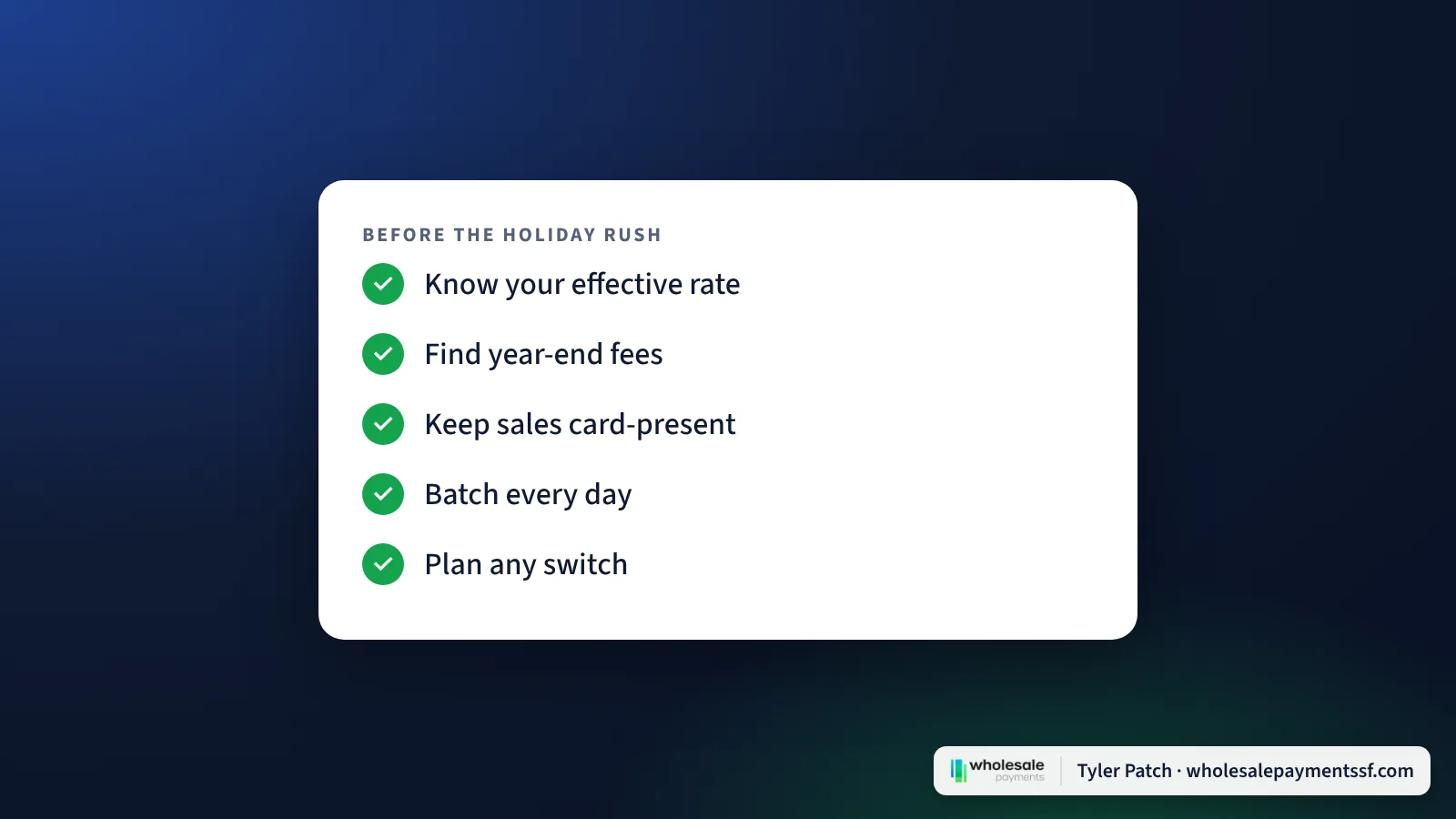
Pull last November's or December's merchant statement. Divide the total fees by the total card sales. That is your effective rate, and it is the only number that tells you what card payments really cost you. If you did $60,000 in card sales last December and paid $2,100 in fees, your effective rate was 3.5%.
Not sure where to find those numbers? See how to read a merchant statement.
2. Look for fees that only show up at year-end
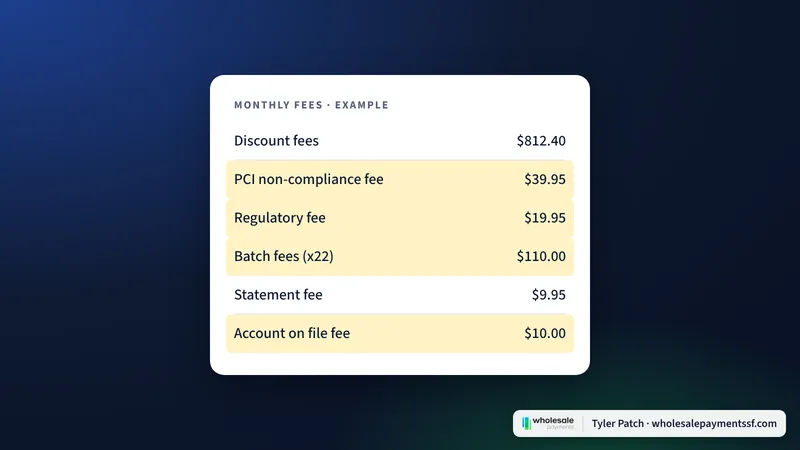
Some processors bill annual fees, PCI fees or "compliance" charges once a year, often in the last quarter. They are easy to miss when a busy month's deposits hide them. Check last year's December statement for one-time charges and ask your processor what to expect this year. Our list of hidden credit card fees covers the usual names.
3. Keep sales card-present
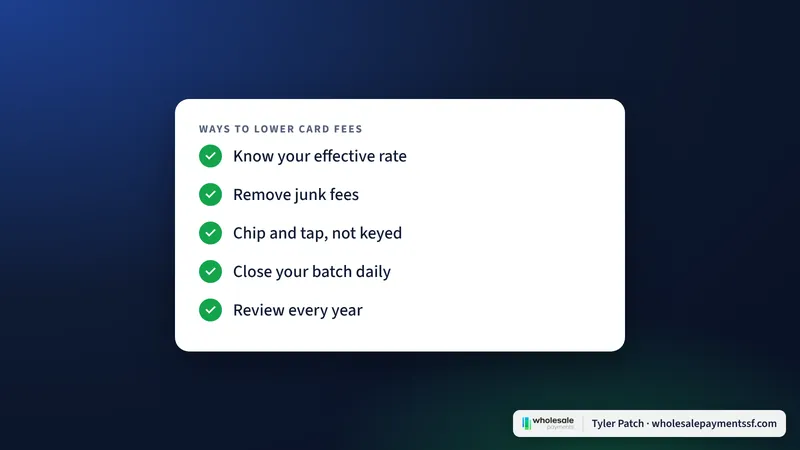
A chip or tap sale usually costs less than a card number typed in by hand, because keyed sales carry more fraud risk and land in higher interchange categories. During a rush, staff tend to key in cards when a terminal is slow or a line is long. A few ways to avoid it:
- Make sure every terminal accepts tap-to-pay and phone wallets.
- Restart and update terminals before the busy season, not during it.
- Keep a backup or wireless terminal charged and ready for overflow or outages.
4. Close your batch every day
Transactions settled late can move into more expensive categories. Most terminals can close the batch automatically each night. Confirm that setting is on, and check that every deposit matches the day's sales.
5. Get ahead of holiday chargebacks
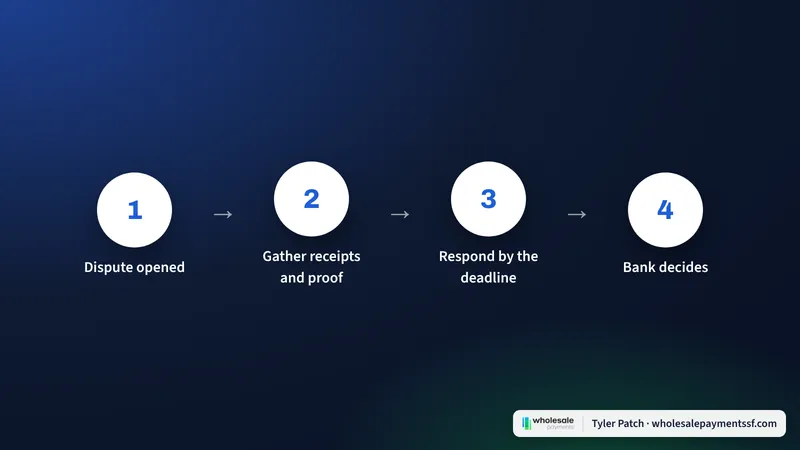
Online orders, gift purchases and returns all rise in December, and chargebacks follow in January. Save receipts and delivery confirmations, use address and CVV checks on online sales, and post your return policy where customers can see it. More in online payments and chargeback help.
6. Train seasonal staff on payments
New hires should know how to take tap, chip and wallet payments, how to handle a decline, and when to call a manager. If you run a cash discount or dual pricing program, make sure seasonal staff can explain the signs to customers in one sentence.
7. Time any processor switch carefully
Switching providers in the middle of your busiest weeks adds risk. If your numbers say you are overpaying, the best windows are usually early November, before the rush, or January, once it ends. Get the new pricing in writing, check for an early termination fee on your current account, and schedule the install on a slow day.
Quick checklist
| Task | When |
|---|---|
| Find your effective rate from last December | Now |
| Check last year's statements for once-a-year fees | Now |
| Update terminals and test tap-to-pay | Early November |
| Charge and test a backup terminal | Before Black Friday |
| Turn on automatic daily batch close | Now |
| Train seasonal staff on payments | First shift |
| Save receipts and delivery proof | All season |
For more ways to bring costs down all year, read how to lower credit card processing fees.
Frequently asked questions
Why are my card fees higher in December?
Fees grow with sales, so a bigger month means a bigger bill. Fees can also rise as a share of sales if more payments are keyed in, settled late or taken online, or if annual fees post that month.
Is it a bad idea to switch processors during the holidays?
It can be risky in your busiest weeks. Many businesses switch in early November or January instead. Get the new pricing in writing and check your current agreement for an early termination fee first.
What is the cheapest way to take a card payment?
In most cases, an in-person chip or tap payment costs less than a keyed or online payment, because it carries less fraud risk.
Questions about your own setup? Text Tyler.
General information only, not legal, tax or financial advice. Card network rules and state laws change, so confirm current rules before you change your pricing.